
Ultimate Guide to Auto 8 Parts
Introduction
Ultimate Guide to Auto 8 Parts When it comes to vehicle maintenance and repairs, understanding the Ultimate Guide to Auto 8 Parts can be incredibly useful. Whether you’re a car enthusiast, a mechanic, or just someone looking to understand your vehicle better, having a clear reference to these essential components helps in identifying parts easily and troubleshooting problems effectively. Vehicles are complex machines made up of numerous interconnected parts, each playing a crucial role in ensuring smooth and efficient operation.
Ultimate Guide to Auto 8 Parts By familiarizing yourself with key auto components, you gain valuable knowledge that can help in various situations. Whether you need to diagnose a problem, replace a faulty part, or simply understand how your vehicle functions, knowing the fundamental parts of your car is essential. This understanding not only enhances your confidence in handling car issues but also prevents unnecessary repairs and costly visits to the mechanic. Proper knowledge of auto parts can extend the lifespan of your vehicle, improve performance, and contribute to overall road safety.
Ultimate Guide to Auto 8 Parts From engine components that power your vehicle to braking systems that ensure safety, understanding how these parts work together can make a significant difference. The Ultimate Guide to Auto 8 Parts provides an in-depth look at the key components that keep your car running smoothly. With technological advancements shaping the automotive industry, modern vehicles now incorporate sophisticated electronic systems, smart sensors, and advanced safety features. This makes it even more important to have a fundamental grasp of essential auto parts and their functions.
Ultimate Guide to Auto 8 Parts Additionally, having a basic understanding of auto parts can benefit individuals involved in the automotive industry, including car dealerships, repair shops, and e-commerce businesses selling vehicle components. Clear knowledge of car parts enhances customer service, improves communication with clients, and allows businesses to provide better product recommendations.
Ultimate Guide to Auto 8 Parts In this guide, we will explore various components of the Ultimate Guide to Auto 8 Parts to help you recognize essential elements and their functions. By the end, you’ll have a comprehensive understanding of how your vehicle operates, empowering you to make informed decisions regarding maintenance, repairs, and upgrades.

1.Motor Components
Engine Block – The core of the engine, housing cylinders and other components.
Cylinder Head – Sits atop the engine block, sealing the cylinders and containing valves.
Pistons – Move up and down within the cylinders, generating power.
Camshaft – Controls the opening and closing of engine valves for proper airflow.
Crankshaft – Converts piston movement into rotational energy to drive the vehicle.
Timing Belt/Chain – Synchronizes camshaft and crankshaft movement for efficient operation.
Fuel Injectors – Deliver fuel into the combustion chamber for ignition.
Oil Pump – Circulates oil to lubricate engine components and prevent wear.
2. Transmission Framework
Ultimate Guide to Auto 8 Parts
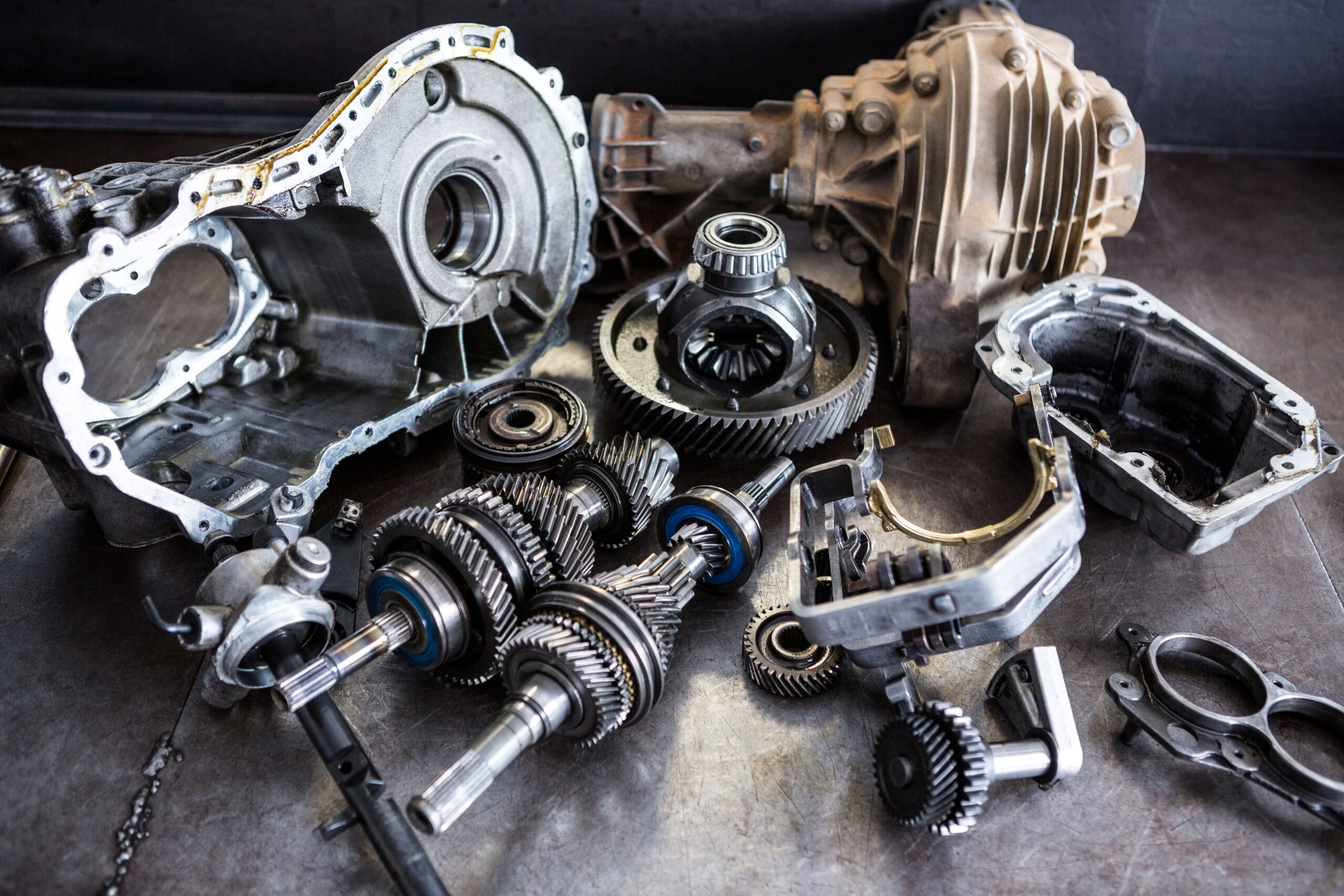
Clutch – The clutch is responsible for engaging and disengaging the power between the engine and the transmission. When pressed, it disconnects the engine from the gearbox, allowing the driver to shift gears smoothly. This prevents gear grinding and ensures seamless power transfer.
Gearbox – The gearbox contains multiple gears that regulate speed and torque. Lower gears provide more torque for acceleration, while higher gears increase speed and fuel efficiency. The driver manually selects gears using the gear shifter, making gear changes based on driving conditions.
Driveshaft – The driveshaft is a rotating shaft that transfers power from the transmission to the vehicle’s wheels. It is a crucial link between the gearbox and the wheels, ensuring the generated power reaches the road effectively.
Differential – The differential allows the wheels to rotate at different speeds, particularly when turning. This function is essential because, during a turn, the outer wheels travel a greater distance than the inner wheels. Without a differential, turning would cause excessive tire wear and strain on the drivetrain.
3. Suspension and Controlling Framework
Ultimate Guide to Auto 8 Parts
Shock Absorbers – These crucial components absorb shocks from the road, reducing vibrations and ensuring a smooth ride. They work by converting kinetic energy into heat, dampening the impact of bumps and potholes.
Control Arms – Also known as A-arms, these connect the vehicle’s suspension to the frame, allowing the wheels to move up and down while keeping them properly aligned. They play a key role in maintaining handling and stability.
Steering Wheel – The primary interface for directing your vehicle, the steering wheel allows the driver to control the car’s movement with precision. It connects to the steering system through a column that transfers motion to the wheels.
Tie Rods – These crucial parts connect the steering rack to the wheels, ensuring smooth and responsive steering. Properly functioning tie rods help maintain alignment and prevent excessive tire wear.
Ball Joints – Act as pivot points between the control arms and steering knuckles, allowing for smooth wheel movement and flexibility in steering. Worn ball joints can cause handling issues and uneven tire wear.
Steering Rack and Pinion – Converts the rotational movement of the steering wheel into lateral motion, enabling precise control of the wheels. It is a vital component for power-assisted and manual steering systems.
Stabilizer (Sway) Bar – Reduces body roll when turning or cornering, improving overall handling and safety. It helps distribute force between the vehicle’s sides for a more stable ride.
Bushings and Mounts – These rubber or polyurethane components reduce noise, absorb vibrations, and provide cushioning between suspension parts, enhancing ride comfort and durability.

4. Braking System
Ultimate Guide to Auto 8 Parts
incorporate details about braking framework components here] This guide is planned to create understanding auto parts direct and available. Whether you’re keeping up your car or basically inquisitive approximately its inward workings, knowing these parts will upgrade your encounter on the street Ultimate Guide to Auto 8 Parts.
5.Electrical Framework
Ultimate Guide to Auto 8 Parts
Battery – The battery serves as the primary power source, storing and supplying electrical energy to the vehicle. It provides the initial power needed to start the engine and supports various electrical components, such as lights, infotainment systems, and sensors when the engine is off.
Alternator – Once the engine is running, the alternator takes over by generating electrical power and recharging the battery. It ensures that essential systems, including headlights, air conditioning, and the radio, receive a continuous power supply while the vehicle is in motion.
Starter Motor – The starter motor plays a crucial role in initiating engine combustion. When the ignition key is turned, the starter motor engages with the flywheel to crank the engine, allowing fuel combustion to begin. Without it, the engine would not be able to start.
Fuse Box – The fuse box protects the electrical system from overload and short circuits. It contains fuses that break the circuit if excessive current flows through, preventing damage to critical components and reducing the risk of electrical fires.
6. Cooling and Debilitate Framework
Ultimate Guide to Auto 8 Parts
Radiator – The radiator dissipates heat from the engine coolant, preventing overheating. It allows the coolant to release heat before circulating back through the engine.
Water Pump – This crucial component ensures coolant flows continuously through the engine and radiator, regulating temperature and preventing overheating. A malfunctioning water pump can lead to engine failure.
Exhaust Manifold – Collects exhaust gases from the engine cylinders and directs them into the exhaust system. It ensures proper expulsion of harmful gases while maintaining engine efficiency.
Muffler – The muffler reduces noise generated by exhaust gases as they exit the engine. It contains chambers or baffles that help dampen sound while allowing exhaust to flow smoothly.
7. Fuel Framework
Ultimate Guide to Auto 8 Parts
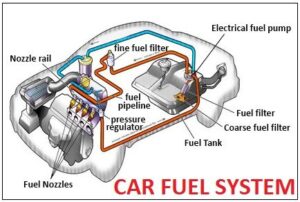
Fuel Pump – This critical component transfers fuel from the gas tank to the engine. Modern vehicles use electric fuel pumps for efficient fuel delivery, while older models may have mechanical pumps. A failing fuel pump can cause engine sputtering, difficulty starting, or a loss of power.
Fuel Injectors – Found in most modern vehicles, fuel injectors spray precise amounts of fuel directly into the combustion chamber. They work under high pressure to ensure optimal fuel atomization, leading to better efficiency and performance. Dirty or clogged injectors can lead to rough idling, poor fuel economy, and engine misfires.
Carburetor (Older Vehicles) – Before fuel injection systems became standard, carburetors mixed fuel and air for combustion. Found in older cars and motorcycles, they rely on vacuum pressure to draw fuel into the engine. A well-maintained carburetor ensures smooth operation, while a faulty one can cause poor acceleration and fuel inefficiency.
Fuel Filter – Positioned between the fuel tank and injectors, the fuel filter removes dirt, rust, and other impurities from the fuel before it reaches the engine. A clogged filter can restrict fuel flow, causing hesitation, reduced performance, and even engine stalling Ultimate Guide to Auto 8 Parts.
8. Body and Insides Parts
a) Bumper Ensures the front and raise of the vehicle from impacts.
b) Headlights Enlighten the street for night driving.
c) Dashboard Houses gages, controls, and shows.
d) Seats Give consolation and security for travelers.
Ultimate Guide to Auto 8 Parts
Conclusion
In today’s fast-paced world, understanding is not just for mechanics and car enthusiasts—it’s essential knowledge for every vehicle owner. Whether you’re troubleshooting a minor issue, shopping for replacement parts, or simply curious about how your car functions, familiarizing yourself with different car components can save time, money, and frustration Ultimate Guide to Auto 8 Parts.
By learning about essential parts like the engine, transmission, suspension, braking system, electrical components, and body parts, you gain the confidence to make informed decisions regarding repairs and maintenance. This knowledge empowers you to communicate effectively with mechanics, understand your car’s needs, and even handle minor repairs on your own Ultimate Guide to Auto 8 Parts.
Ultimate Guide to Auto 8 Parts Additionally, with technological advancements, vehicles are evolving rapidly. Modern cars now come with sophisticated electronic control units (ECUs), advanced driver-assistance systems (ADAS), hybrid powertrains, and smart diagnostic tools. Knowing about these components helps car owners keep up with industry trends and make smart choices when buying a new or used vehicle Ultimate Guide to Auto 8 Parts.
For those in the automotive business, such as car dealerships, auto repair shops, or e-commerce stores selling car parts, providing customers with clear images and proper names of vehicle parts enhances trust and improves sales. People tend to buy auto parts online with confidence when they see detailed pictures, descriptions, and compatibility information Ultimate Guide to Auto 8 Parts.
Ultimate Guide to Auto 8 Parts Moreover, if you’re a car blogger or content creator, writing about auto parts with images can attract a wide audience. Many users search for terms like “car parts names with pictures,” “auto parts diagram,” or “car components explained.” Adding high-quality visuals, infographics, and step-by-step explanations can increase engagement and make your content more user-friendly.
In conclusion, whether you’re an automotive professional, a car enthusiast, or just someone who wants to take better care of their vehicle, understanding Ultimate Guide to Auto 8 Parts is incredibly valuable. It enhances your automotive knowledge, helps you make better decisions, and can even improve your DIY car repair skills. By continuously exploring and staying informed about different vehicle components, you ensure a smoother and more cost-effective car ownership experience.
Furthermore, having a strong knowledge of auto parts gives you an advantage when dealing with auto repair shops and service providers. You can ask the right questions, identify potential issues early, and avoid unnecessary repairs or overcharges. Mechanics often appreciate well-informed customers who understand the importance of maintenance and repair processes.
For vehicle owners who prefer to do their own maintenance, understanding auto parts means you can perform basic tasks like oil changes, air filter replacements, or even brake pad swaps. This not only saves money but also gives you a sense of satisfaction and control over your vehicle’s performance. As DIY car repair becomes more popular, many online tutorials and step-by-step guides are available to help owners take care of their cars at home.
With the rise of electric and hybrid vehicles, understanding auto parts is even more crucial. Traditional components like internal combustion engines are being replaced with electric motors, battery packs, and regenerative braking systems. Familiarizing yourself with these technologies will help you adapt to the future of automobiles and make informed decisions when purchasing or maintaining a modern vehicle.
Additionally, for those considering a career in the automotive industry, having a strong grasp of vehicle components is an excellent foundation. Whether you’re interested in becoming a mechanic, auto engineer, or parts specialist, knowing how different systems interact can give you a head start in your profession. The demand for skilled automotive professionals continues to grow, and expertise in auto parts is highly valued in this field.
Lastly, keeping up with the latest advancements in automotive technology can enhance your driving experience. Many modern vehicles come equipped with features like adaptive cruise control, lane-keeping assist, and collision avoidance systems. Understanding how these technologies function and how they integrate with traditional auto parts ensures that you maximize the benefits of your vehicle’s safety and performance features.
By continuously expanding your knowledge about auto parts, you not only become a more informed car owner but also develop an appreciation for the engineering and craftsmanship that goes into vehicle manufacturing. Whether you’re maintaining a classic car or exploring the latest innovations in automotive design, understanding your vehicle’s components is a lifelong skill that will always be valuable.
Ultimate Guide to Auto 8 Parts
As often as possible Inquired Questions (FAQs)
Ultimate Guide to Auto 8 Parts
What are the most critical engine components in a car?
The essential engine components include the engine block, cylinder head, pistons, camshaft, crankshaft, timing belt/chain, fuel injectors, and oil pump. These parts work together to generate power and keep the engine running smoothly.
How does the transmission system function?
The transmission system transfers power from the engine to the wheels. It includes the clutch, gearbox, driveshaft, and differential, allowing the driver to control speed and torque efficiently.
Why is the suspension system important?
The suspension system absorbs shocks, maintains vehicle stability, and ensures a smooth ride. It consists of components like shock absorbers, control arms, tie rods, and stabilizer bars.
What is the role of the braking system?
The braking system slows down or stops the vehicle using brake pads, rotors, calipers, and the master cylinder. It ensures safety by providing controlled braking power.
How does the electrical system support vehicle operation?
The battery, alternator, starter motor, and fuse box power the car’s electronics, including lights, infotainment, and sensors. The alternator recharges the battery while the engine runs.
What prevents a car engine from overheating?
The cooling system, including the radiator, water pump, coolant, and thermostat, regulates engine temperature and prevents overheating by dissipating excess heat.
What is the purpose of the fuel system?
The fuel system delivers fuel to the engine for combustion. It includes the fuel pump, fuel injectors, fuel filter, and, in older vehicles, a carburetor.
How do exhaust system components affect vehicle performance?
The exhaust system, including the exhaust manifold, muffler, and catalytic converter, reduces emissions, dampens noise, and optimizes engine efficiency.
What are the key exterior and interior car parts?
Essential body parts include bumpers, headlights, and doors, while interior parts include the dashboard, seats, and infotainment systems.
Why is understanding auto parts beneficial?
Knowing auto parts helps in maintenance, troubleshooting, and communicating with mechanics. It also improves safety, extends the vehicle’s lifespan, and can save repair costs.
Would you like me to add any more details? 🚗🔧
ok