
How to Instantly Solve Car Starter 5 Problems
Understanding How to Instantly Solve Car Starter 5 Problems is essential for every car owner, as the starter system plays a crucial role in getting your engine running. When something goes wrong with this system, it can leave you stranded and cause major inconvenience or even safety concerns. By learning How to Instantly Solve Car Starter 5 Problems, you can save time, avoid unnecessary repair costs, and ensure your vehicle starts reliably. In this comprehensive guide, we’ll explore the ten most common car starter issues and walk you through effective steps on How to Instantly Solve Car Starter 5 Problems quickly and efficiently.
Understanding Car Starting Systems
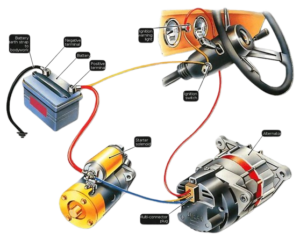
The car starting system is a vital in How to Instantly Solve Car Starter 5 Problems mechanism that brings an engine to life. It’s a complex yet fascinating setup designed to ensure your vehicle runs smoothly every time you turn the key or press the start button. At its core, the starting system converts electrical energy into mechanical energy to crank the engine, initiating the combustion process.
The primary component is the battery, which supplies power to the system. When you activate the ignition in How to Instantly Solve Car Starter 5 Problems, electricity flows to the starter motor—a small but powerful electric motor. The starter engages with the engine’s flywheel through a gear called the pinion, turning the crankshaft to start the engine. The ignition switch or push-button acts as the trigger, while the solenoid—a type of relay—ensures the current reaches the starter motor efficiently in How to Instantly Solve Car Starter 5 Problems.
Modern cars often in How to Instantly Solve Car Starter 5 Problems include advanced features like start-stop technology, which enhances fuel efficiency by shutting off the engine during idle moments. However, a healthy starting system relies on proper maintenance. A weak battery, worn-out starter, or faulty wiring can lead to starting issues in How to Instantly Solve Car Starter 5 Problems.
Understanding How to Instantly Solve Car Starter 5 Problems this system works empowers drivers to troubleshoot problems and maintain their vehicles effectively. From the battery’s charge to the starter’s spin, every part plays a critical role in getting you on the road.
1.Why Your Auto can not Start Indeed Though the Battery Is Good
It’s frustrating when your auto refuses to start, especially when you’ve verified the battery is in good condition. A completely charged battery is just one piece of the mystification, and several other factors could be at play. Let’s explore some common reasons behind this issue and how to address them.
One frequent malefactor is a defective starter motor. The starter is responsible for turning the machine over when you turn the key. How to Instantly Solve Car Starter 5 Problems, you might hear a clicking sound or nothing at each, despite a healthy battery, If it’s worn out or damaged. Testing the starter with a multimeter or having a automatic check it can pinpoint the problem.
Another possibility is an issue with the ignition switch. This element sends power from the battery to the starter and other systems. However, the auto can not coil, indeed with a strong battery, If the switch fails. Symptoms include no response when turning the key or fluttering dashboard lights. Replacing the switch frequently resolves this.
Energy system problems could also be to condemn. A clogged energy sludge or a nonoperating energy pump might help the machine from getting the gas it needs to start. hear for a faint humming noise from the energy tank when you turn the crucial — if it’s absent, the pump might be dead.
Incipiently, consider the alternator or wiring issues. While the battery might be OK now, a failing alternator can not recharge it during operation, leading to starting troubles over time. Loose or eroded connections can also disrupt power in flow.
still, do not fear, If your auto can not start but the battery is good. In How to Instantly Solve Car Starter 5 Problems Check these factors totally or consult a professional. With the right opinion, you’ll be back on the road in no time!
2.Clicking Noise When Turning the Key
A clicking noise when turning the key in a vehicle often signals an issue with the ignition system or battery. in How to Instantly Solve Car Starter 5 Problems This sound typically comes from the starter solenoid, a small component that engages the starter motor to crank the engine. When you hear rapid clicks, it might indicate a weak or dead battery unable to supply enough power. Corrosion on battery terminals can also disrupt the electrical flow, leading to this symptom. Another possibility is a faulty starter motor, which may struggle to turn over due to worn-out parts or poor connections.
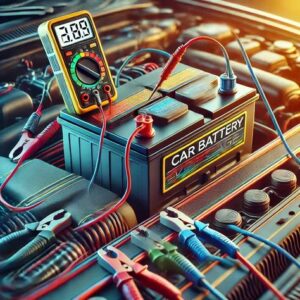
To diagnose, first check the battery voltage with a multimeter; it should read around 12.6 volts when fully charged. If the battery tests fine, inspect the cables for rust or looseness. A single loud click, rather than multiple, could point to a seized engine or a jammed starter gear. Low oil levels or internal engine damage might exacerbate the problem, though these are less common culprits.
Addressing this involves charging or replacing the battery, cleaning terminals, or seeking a mechanic to test the starter. Ignoring the clicking risks being stranded, so prompt action is wise. Each case varies, but the noise is a clear call for attention.
3.Starter Spins But Doesn’t Engage
When you turn the key in How to Instantly Solve Car Starter 5 Problems your ignition and hear the starter spin but the engine refuses to engage, it’s a frustrating experience that many drivers face. This issue, commonly referred to as “starter spin but do not engage car starter,” points to a problem in the starting system. The starter motor is responsible for turning the engine over to initiate combustion, but when it spins without engaging, the root cause could stem from several mechanical failures.
One frequent culprit is a worn-out starter drive gear, also known as the Bendix gear. This How to Instantly Solve Car Starter 5 Problems connects the starter motor to the engine’s flywheel. If it’s damaged or misaligned, the gear may spin freely without catching the flywheel teeth, resulting in that telltale whirring sound. Another possibility is a faulty solenoid, which controls the starter’s engagement. A malfunction here might prevent the gear from extending properly to mesh with the engine.
Low battery voltage can also mimic this issue, causing the starter to spin weakly without enough power to crank the engine. Worn flywheel teeth or a slipping clutch in manual vehicles could further complicate matters. Diagnosing this requires checking the battery, inspecting the starter assembly, and testing electrical connections. Prompt attention to this problem ensures How to Instantly Solve Car Starter 5 Problems car remains reliable and avoids roadside headaches.
4.Intermittent Starting Issues
Intermittent starting issues can be a frustrating experience for any vehicle owner. One moment, your car starts perfectly, and the next, it refuses to turn over, leaving you stranded and puzzled. This inconsistent behavior often stems from a variety of underlying problems, making diagnosis a bit tricky but not impossible.
One common culprit is a failing battery. Over time, batteries lose their ability to hold a charge, especially in extreme weather conditions. Loose or corroded battery terminals can also disrupt power flow, leading to sporadic starting failures. Checking and cleaning these connections can often resolve the issue.
Another potential cause is a faulty starter motor or solenoid. These components endure significant wear and may intermittently fail due to electrical faults or mechanical fatigue. Listening for a clicking sound when turning the key can hint at this problem. Similarly, issues with the ignition switch or wiring can interrupt the starting process, requiring a thorough inspection to pinpoint in a How to Instantly Solve Car Starter 5 Problems.
Fuel delivery problems, like a clogged fuel filter or a weak pump, might also prevent the engine from firing up consistently. Regular maintenance can mitigate such risks. If you face intermittent starting issues, consult a mechanic to test these systems and restore How to Instantly Solve Car Starter 5 Problems vehicle’s reliability.
5.Grinding Noise When Starting
Hearing a grinding noise when starting How to Instantly Solve Car Starter 5 Problems vehicle can be unsettling, signaling potential issues that need attention. This sound typically stems from the starter motor or related components, and addressing it promptly can prevent costly repairs.
One common cause is a worn-out starter gear. The starter motor engages the flywheel to crank the engine, and if its gear teeth are damaged or misaligned, a harsh grinding noise occurs. This often happens due to prolonged use or poor maintenance. Another culprit could be a faulty flywheel, where worn or chipped teeth fail to mesh smoothly with the starter, producing that jarring sound.
Low battery voltage might also be to blame. When the battery lacks sufficient power, the starter motor struggles, leading to incomplete engagement and a grinding racket. Additionally, a seized engine component, like a pulley or bearing, can mimic this noise, though it’s less common.
To resolve this, start with a battery check—ensure it’s fully charged and connections are clean. If the issue persists, inspect the starter motor and flywheel for wear. Professional diagnosis is recommended, as dismantling these parts requires expertise. Ignoring the noise risks further damage, so tackle it early to keep your engine running smoothly.
Bonus Tips for Maintaining Your Car Starter
Your car’s starter is a vital component in How to Instantly Solve Car Starter 5 Problems that ensures your engine roars to life every time you turn the key or press the ignition button. Without a properly functioning starter, you could find yourself stranded at the most inconvenient moments. While it’s a durable part, it’s not immune to wear and tear. Fortunately, with a little care and attention, you can extend its lifespan and avoid unexpected breakdowns. Here are some bonus tips for maintaining How to Instantly Solve Car Starter 5 Problems car starter and keeping it in top shape.
First, pay attention to how your car starts details in How to Instantly Solve Car Starter 5 Problems. Unusual sounds like grinding, clicking, or whining when you turn the key are early warning signs of starter trouble. These noises could indicate worn-out gears, a failing solenoid, or electrical issues. Don’t ignore them—addressing problems early can prevent costly repairs. If you notice anything strange, have a mechanic inspect the starter before it fails completely.
Next, keep your battery in excellent condition. The starter relies heavily on the battery to provide the power needed to crank the engine. A weak or dying battery forces the starter to work harder, which can lead to premature wear. Regularly check your battery’s charge level and clean its terminals to remove corrosion. Use a mixture of baking soda and water to scrub away buildup, ensuring a solid connection. Replace the battery every three to five years, depending on your driving habits and climate.
Another tip is to avoid over-cranking the engine. If your car doesn’t start after a few seconds of turning the key, give it a break. Holding the key in the start position for too long overheats the starter motor, causing damage over time. Instead, wait about 10-15 seconds between attempts. If the engine still won’t turn over after a few tries, it’s time to investigate further—don’t keep forcing the starter to do the impossible.
Lubrication is often overlooked but essential for starter maintenance. Dirt, grime, and friction can wear down the starter’s moving parts. While you shouldn’t dismantle the starter yourself unless you’re skilled, a professional can clean and lubricate it during routine servicing. Ask your mechanic to check the starter’s condition whenever your car is in for a tune-up. This small step can prevent bigger issues down the road.
Additionally, protect your starter from extreme weather. Cold temperatures can strain the battery and starter, while excessive heat can degrade electrical components. Park in a garage or shaded area when possible, especially during harsh winters or scorching summers. If you live in a cold climate, consider using a block heater to ease the starter’s workload during frigid mornings.
Finally, stick to a regular maintenance schedule. A well-maintained car—complete with timely oil changes, electrical system checks, and tune-ups—reduces the strain on the starter. Keep an eye on your How to Instantly Solve Car Starter 5 Problem too, as it charges the battery and indirectly affects the starter’s performance. By staying proactive, you’ll catch potential problems before they escalate.
Maintaining your car starter doesn’t require advanced skills—just awareness and consistency. With these bonus tips, you can ensure smooth starts and a reliable ride for years to come.
conclusion
Starter problems can be stressful, but they’re usually manageable with a little patience and some basic mechanical know-How to Instantly Solve Car Starter 5 Problems By understanding the five most common issues—no start, clicking noise, spinning but not engaging, intermittent starting, and grinding noise—you’ll be better prepared to tackle the problem head-on.
Always start by inspecting the battery and electrical connections, then move on to the starter components themselves. And remember, regular maintenance and early intervention are key to avoiding major repairs down the road How to Instantly Solve Car Starter 5 Problems.
By following this guide, you can save yourself a trip to the mechanic, avoid unnecessary expenses, and gain a deeper understanding of how your vehicle works.
Your car deserves a smooth start every time—now you have the knowledge to make that happen in How to Instantly Solve Car Starter 5 Problems.
As often as possible Inquired Questions (FAQs)
1.How to temporarily fix a bad starter?
Tap the starter gently with a hammer or wrench — it can free up stuck contacts.
Check and tighten connections — especially battery and starter terminals.
Jump-start the car — gives extra power to crank.
Push start (manual cars only) — get the car rolling and pop the clutch.
2.How do you help a weak starter?
To help a weak starter in How to Instantly Solve Car Starter 5 Problems, check and clean the battery terminals, ensure the battery is fully charged, and inspect the starter motor and solenoid for damage. If needed, replace the battery, starter motor, or solenoid.
3.How do I reset my car starter?
To reset your car starter in How to Instantly Solve Car Starter 5 Problems, disconnect the battery for about 10-15 minutes, then reconnect it. This can help reset the electrical system. If the issue persists, check the starter relay, fuse, or consult a mechanic.
4.What are the main faults of starters?
The main faults of starters include:
Faulty solenoid: Prevents the starter from engaging.
Worn-out brushes: Leads to poor electrical contact.
Dead battery: Insufficient power to engage the starter.
Bad connections: Loose or corroded wiring causes no power flow.
Faulty starter motor: Internal wear or failure prevents operation.
5.To fix a car starter at home:
Check the Battery: Ensure it’s charged and the terminals are clean.
Inspect the Starter Motor: Look for signs of damage or wear.
Test the Solenoid: Use a multimeter to test for proper voltage.
Clean Connections: Ensure all wiring is tight and free from corrosion.
Replace the Starter: If it’s faulty, remove the old starter and install a new one.
6.How to trick a starter to work?
To trick a car starter into working temporarily, you can try tapping the starter motor gently with a hammer or a similar object while turning the key. This can sometimes free up stuck components. However, this is only a short-term fix, and it’s important to address the underlying issue as soon as possible.
7.How can I improve my starter?
To improve your car’s starter in How to Instantly Solve Car Starter 5 Problems, ensure it’s well-maintained by regularly checking the battery, cleaning the connections, and ensuring the starter motor and solenoid are in good condition. If the starter is old or faulty, replacing it with a high-quality one can also help. Regularly inspect the wiring for any signs of wear or corrosion.
8.How do you solve a starter problem?
Check the battery: Ensure it’s fully charged and the terminals are clean and secure.
Inspect the starter motor: Look for any visible damage or wear.
Test the solenoid: Ensure it’s engaging properly when the key is turned.
Examine the ignition switch: Verify it’s functioning correctly.
Check wiring connections: Ensure there are no loose or corroded wires.
Test with a multimeter: Check for voltage drop or any electrical issues.