
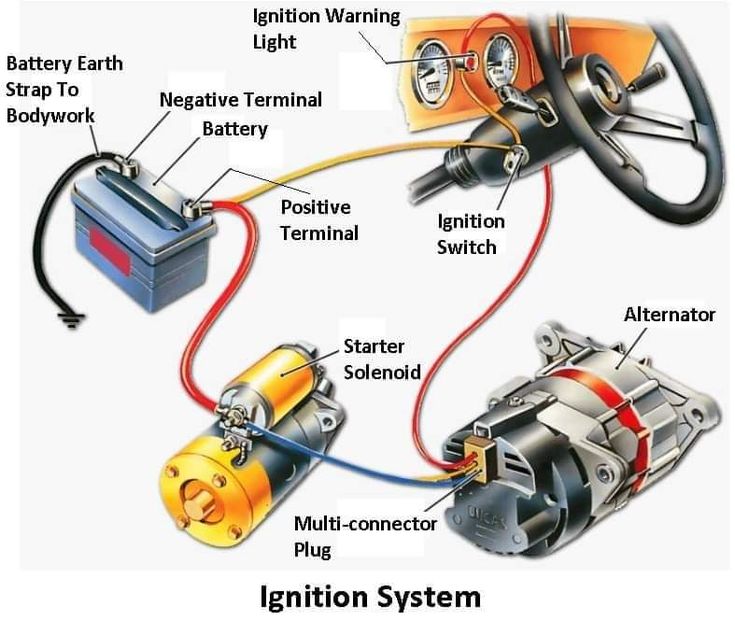
Car 25 Parts Essential to Electrical Systems
Introduction
Understanding Car 25 Parts Essential to Electrical Systems is essential for vehicle maintenance and troubleshooting. A car’s electrical system consists of various interconnected components that work together to power, control, and regulate different functions. Knowing about Car 25 Parts Essential to Electrical Systems helps in diagnosing faults, improving efficiency, and ensuring safety on the road. Whether it’s the battery, alternator, or sensors, each element plays a critical role. This guide provides a comprehensive look at Car 25 Parts Essential to Electrical Systems to enhance your knowledge and support proper vehicle care.
1. Battery
Car 25 Parts Essential to Electrical Systems the battery is a car part that stores electric energy and power and is referred to as the heart of the electrical system. It also provides the necessary preliminary energy needed to crank the engine. In addition to that, it powers various parts in the vehicle such as lights, infotainment systems, and sensors when the engine is off.

2. Alternator
Car 25 Parts Essential to Electrical Systems the car part responsible for powering and charging the battery while the engine is operational is known as the alternator. An alternator transforms mechanical energy provided by the vehicle’s engine into electrical energy. The alternator is also responsible for powering the electrical system of the car. This ensures that power is directed to all other components without a problem.

3. Starter Motor
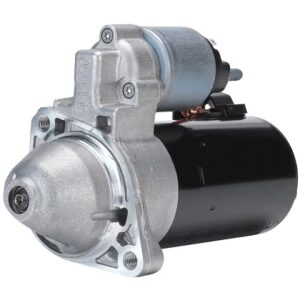
Car 25 Parts Essential to Electrical Systems the cranking of the engine after turning the key gets facilitated by the starter motor which is an important part of the electrical system. An internal combustion engine gets enabled by the electrical energizers from the battery engaging the flywheel.
4. Ignition Coil
Car 25 Parts Essential to Electrical Systems this component takes the battery voltage and transforms it into the necessary voltage to create a spark in the spark plugs, which ignites the fuel-air mixture in the engine. This is done by the battery’s current going through the ignition coil which raises the battery power from low to high.

5. Spark Plugs
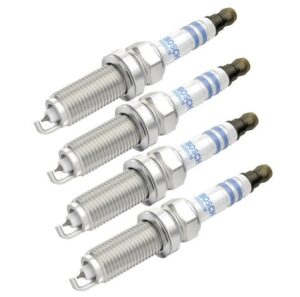
Car 25 Parts Essential to Electrical Systems the task of the spark plugs is to burn the air and fuel mixture in the engine’s cylinder to create an explosion which will turn on the car. It is paired with the ignition coil and is needed to be replaced every so often to keep the engine in its optimal performance conditions as best as they can.
6. Distributor
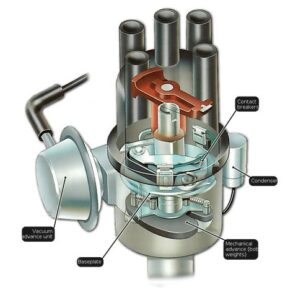
Car 25 Parts Essential to Electrical Systems In the old cars the distributor used to send the high electric voltage that is received from the ignition coil to the correct cylinder’s spark plug. Nowadays cars have an “automatic ignition.” systems that do not require a electronic distributor to work.
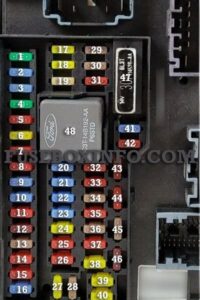
7. Fuse Box
Car 25 Parts Essential to Electrical Systems This component has protection fuses for an electric network that is subject to overloads or short circuits. A fuse is a thin piece of metal that must be blown in case there is a something wrong. If a circuit has too much current flowing through it the fuse will melt and this will protect the device from damage.
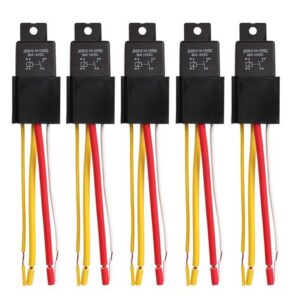
8. Relays
Relays implement a device or a combination of devices which switch on and switch off according to the signals of a control module, which consumes low power These switches take care of powerful components such as the headlights, fuel pump and cools fans.
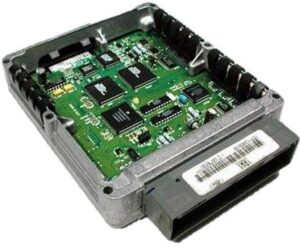
9. The ECU (Engine Control Unit)
Car 25 Parts Essential to Electrical Systems This serves as the core of the unit’s engine management system the ECU. The engine is monitored by the system that watches and controls fuel injection, ignition timings, and emissions to make it work at the most optimal.
10. Sensors
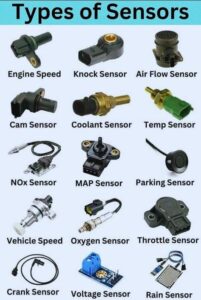
Car 25 Parts Essential to Electrical Systems Newer vehicles come with a wide variety of sensors that provide the ECU with data in real-time so that the vehicle operates efficiently. Here are a few essential sensors:
• Oxygen Sensor – Observes the exhaust gases in order to ensure the optimal fuel mixture.
• Mass Airflow Sensor (MAF) – Gauges the air being taken into the engine in order to control the fuel injection.
• Throttle Position Sensor (TPS) – Identifies how far the throttle is open in order to increase the rate of acceleration.
• Crankshaft Position Sensor – Keeps track of the speed of the crankshaft and the position it is in.
• Coolant Temperature Sensor – Monitors the temperature of the engine with the aim of preventing over.
11. Wiring Harness
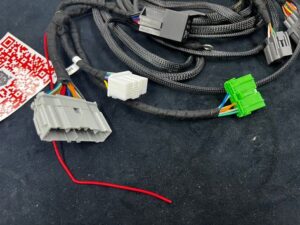
Car 25 Parts Essential to Electrical Systems The wiring harness is a bundle of wires that connects the rest of the vehicle and its electrical components. It allows for the proper functioning and communication of spokes, sensors, relays, and the ECU.
12. Headlights and Taillights
Car lights include headlights that illuminate dark and low-light areas, while tail lights are for visibility to other drivers. Newer vehicles use LED or HID lights which are brighter and more efficient when it comes to energy use.

13. Turn Signals and Hazard Lights
Car 25 Parts Essential to Electrical Systems Turn signals are lights that indicate to other road users the direction the driver is turning or changing lanes to. Hazard lights are meant for use when one is experiencing a problem with the car or has broken down.

14. Horn
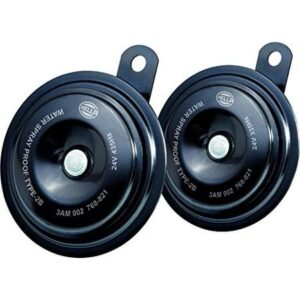
Car 25 Parts Essential to Electrical Systems The horn is an important safety feature intended to signal other people, drivers and pedestrians included, so that they can pay attention to your vehicle.
15. Power Windows and Switches
Automated windows operate with the aid of electric motors which raise and lower the window with the aid of a single button. This replaces the older manual window hand turns.

16. Windshield Wipers and Washer Pump
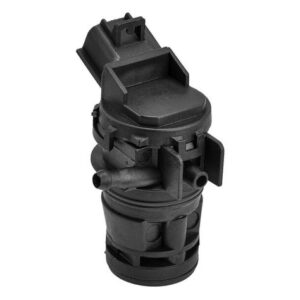
Wipers will remove rain, snow, or any other object that blocks the view through the windscreen, whereas the washer pump sprays the cleansing fluid to help make visibility better.
17. Blower Motor and HVAC System
Blower motors are critical components of the Heating Ventilation and Air Conditioning (HVAC) system. It pulls air into the vents and either heats or cools it, then sends it into the cabin.

18. Fuel Pump
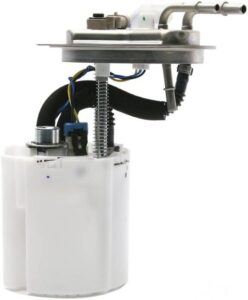
The fuel pump sends fuel from the gasoline tank to the motor with the appropriate pressure. Each pump is electric and its operation is managed by the ECU.
19. Charging Port (in EVs and Hybrids)
This port is designed for an external power source to recharge hybrid and electric vehicle batteries for electric and hybrid vehicles.
20. Infotainment System
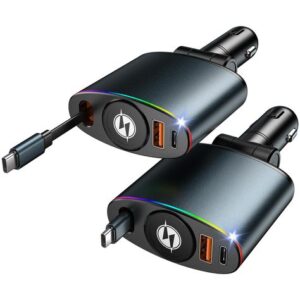
While infotainment systems that feature entertainment, navigation, and information functions are a common feature in modern vehicles, the capability of these systems extends to touch screens, Bluetooth, and even voice command interaction.

21. Instrument cluster
The speedometer, fuel testing engine temperature meter, and associated warning signs are just a few examples of the important vehicle data that is crunched and displayed through the instrument cluster.

22. OBD-II port
Mechanics and car owners are able to find and diagnose problems within the car through connecting a scanner to the vehicle’s ECU via the On-Board Diagnostics (OBD-II) port and receiving error codes with ease.

23. Sunroof motor
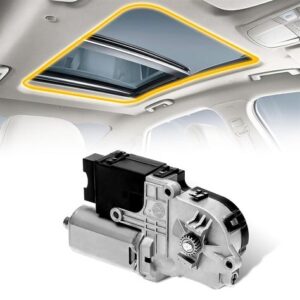
Vehicles equipped with sunroofs for easier ventilation come with an electric Car 25 Parts Essential to Electrical Systems motor that offers added comfort and convenience through controlling the open and close action.
24. Anti-lock braking system (ABS) module
The ABS module is useful in preventing the wheel from locking up when the brakes are applied and is especially useful in enhancing stability and control of the vehicle on slippery surfaces.

25. Airbag system
Car 25 Parts Essential to Electrical Systems A system consisting of inflator modules, control units, and crash sensors are put into place ready to trigger an airbag deployment in the case of a collision to help protect passengers. The airbag system in a car is one of the most critical safety features designed to protect passengers in the event of an accident.
While seat belts help keep occupants in place, airbags provide an additional layer of protection by reducing the impact force on the body. Let’s break down how airbags work, their key components, and why they are essential for modern vehicle safety. Airbags are designed to deploy in milliseconds when a collision occurs. The system consists of several sensors that detect the severity and type of crash. When a significant impact is detected, the airbag control module triggers the inflation process.
A chemical reaction produces a rapid burst of gas, inflating the airbag almost instantly. This creates a cushioning effect, helping to prevent serious injuries to the head, chest, and upper body. in Car 25 Parts Essential to Electrical Systems After deployment, the airbag deflates just as quickly, allowing passengers to move or exit the vehicle safely. Airbag Module – This includes the airbag itself, which is made of a lightweight, durable fabric, and is typically stored within the steering wheel, dashboard, or side panels. Crash Sensors – These sensors detect sudden deceleration and determine whether the impact is strong enough to deploy the airbags .
Inflator – A small explosive device that ignites a chemical reaction, producing nitrogen or argon gas to inflate the airbag. Airbag Control Unit (ACU) – The brain of the system, analyzing signals from crash sensors and deciding when to deploy airbags. Seatbelt Pretensioners – Often working alongside airbags, these tighten seat belts just before impact to reduce movement. Modern vehicles come equipped with multiple airbags designed to protect different areas of the body: Frontal Airbags – Located in the steering wheel (for the driver) and dashboard (for the front passenger).
In Car 25 Parts Essential to Electrical Systems. Side Airbags – Deployed from the doors or seats to protect occupants from side-impact collisions. Curtain Airbags – Installed along the roof lining to shield passengers’ heads from side impacts or rollovers. Knee Airbags – Positioned under the dashboard to save you decrease-body accidents. Rear Airbags – found in a few excessive-cease automobiles to guard passengers in the back seats.
Why Are Airbags critical? Airbags were established to shop lives. research show that when used in mixture with seat belts, airbags substantially reduce the danger of deadly accidents in vehicle crashes. They assist save you the maximum critical head, chest, and spinal accidents via dispensing the pressure of effect over a larger vicinity. however, airbags are not an alternative to seat belts. In reality, airbags paintings satisfactory while passengers are nicely restricted with the aid of seat belts, which help function them correctly for maximum safety.
not unusual Airbag Myths myth: Airbags install in every Crash fact: Airbags simplest installation in moderate to excessive crashes, normally at speeds above 10-15 mph for frontal impacts. delusion: in Car 25 Parts Essential to Electrical Systems Airbags Can harm You greater Than assist fact: whilst airbags deploy with awesome pressure, accidents from them are rare compared to the severe injuries they prevent. proper seating position minimizes any risk. delusion: You Don’t want a Seatbelt when you have Airbags reality: Airbags are designed to work with seat belts, no longer replace them. without a seatbelt, you could be thrown ahead earlier than the airbag deploys.
preserving Your Airbag system To make sure your airbag device capabilities well: take a look at the airbag caution mild in your dashboard. If it remains on, have it inspected by a professional. update airbags after deployment. once an airbag deploys, it can’t be reused and should be replaced. avoid setting items close to airbag deployment areas. This includes guidance wheels, dashboards, and aspect panels. final mind The airbag device is one of the most important improvements in car protection.
it really works along side seat belts to offer maximum protection for the duration of a crash. information how airbags characteristic, their additives, and their significance will let you appreciate the lifestyles-saving technology in your car. always ensure your airbag device is in top running circumstance and exercise safe using conduct to decrease the hazard of accidents.
would you like to feature particular information, including records or actual-world examples, to enhance this in addition? 🚗💨

Conclusion
in conclusion, understanding Car 25 Parts Essential to Electrical Systems is vital for every vehicle owner. The electrical system is an integral part of modern automobiles, ensuring efficient operation and enhancing safety. By gaining insight into Car 25 Parts Essential to Electrical Systems , drivers can better maintain their vehicles, diagnose potential issues, and make informed repair decisions. From the battery and alternator to sensors and relays, each component plays a crucial role in keeping a vehicle running smoothly.
Regular maintenance of Car 25 Parts Essential to Electrical Systems , can prevent unexpected breakdowns and improve overall vehicle performance. Ignoring electrical issues can lead to costly repairs, reduced efficiency, and even safety hazards. Therefore, vehicle owners should be proactive in checking their car’s electrical components and ensuring they are in good working condition. Technological advancements continue to enhance Car 25 Parts Essential to Electrical Systems , making vehicles more efficient, reliable, and user-friendly. With the introduction of electric and hybrid vehicles, the importance of electrical components is growing more than ever.
Understanding Car 25 Parts Essential to Electrical Systems Car , will not only help in maintaining traditional combustion engine vehicles but also in adapting to the future of automotive technology. Ultimately, knowledge of Car 25 Parts Essential to Electrical Systems empowers drivers to take better care of their cars, save on repair costs, and ensure a safe driving experience. By regularly inspecting and maintaining Car 25 Parts Essential to Electrical Systems vehicle owners can enjoy a reliable and long-lasting automobile. Whether it’s the starter motor, ignition system, or wiring, each part contributes to the seamless operation of the vehicle, making it essential to understand and maintain Car 25 Parts Essential to Electrical Systems effectively.
Frequently Asked Questions (FAQs)
1. What is the most fundamental electrical unit in an automobile?
Out of all the electrical devices, the battery is regarded as the most crucial for it enables the engine to ignite and assists in other electrical activities.
2. How do I know if my vehicle’s alternator is going bad?
Signs indicating a not-so-perfect condition of the alternator include dimming lights, a discharged battery, and the appearance of ugly warning lamps on the dashboard.
3. What is the function of the ECU in a vehicle?
The different parameters of the engine such as fuel injection, ignition timing, and emission levels are controlled automatically by the ECU to met the internal combustion engine’s performance criteria.
4. What causes automobile fuses to burn?
Fuses in cars are blown because of overload and shorting electric circuits or defective parts.
5. When is the right time to change the spark plugs?
Every 30,000 to 100,000 miles is the optimum distance you should change the spark plugs for the smooth functioning of your vehicle, although it may depend on some factors.
6. What is the use of a relay in automobiles?
The Relay switches help fuel pumps or headlights that require a lot of power to switch on using a little electric strength.
7. What is the Maintenance of electricity system in an automobile?
Routine maintenance of the auto battery for charge status, along with checking the fuses and wiring is essential, as well as evaluating the sensors and lights for known functioning states.