
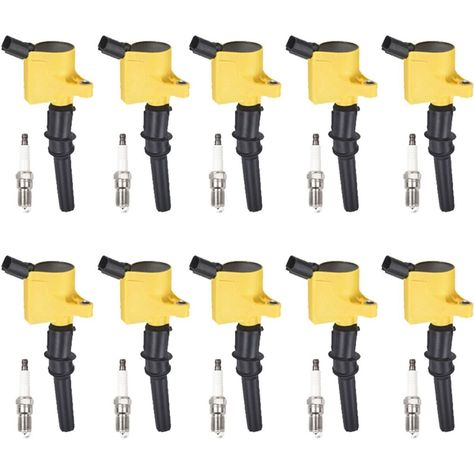
How to fix Quickly car Ignition coil 6 problems
Introduction
Car ignition coils are vital components that ensure your engine runs smoothly by converting battery voltage into the high voltage needed to ignite the fuel-air mixture. When How to fix Quickly car Ignition coil 6 problems, it can lead to misfires, poor fuel efficiency, or even engine stalling. Fortunately, addressing these issues doesn’t always require a mechanic. Here’s How to fix Quickly car Ignition coil 6 problems with some practical steps.
First, identify the symptoms. A faulty ignition coil 6 might cause rough idling, a check engine light, or reduced acceleration. To confirm, use an OBD-II scanner to retrieve error codes, such as P0306, which points to cylinder 6 misfiring. Once confirmed, locate the coil pack—typically found near the engine block or spark plugs—and inspect it for visible damage like cracks or corrosion.
Next, test the coil’s functionality with a multimeter. Set it to the ohms setting and measure the resistance between the coil’s primary and secondary terminals. Compare the readings to your car’s manual specifications. If they’re off, replacement is the best fix. Knowing How to fix Quickly car Ignition coil 6 problems involves having a spare coil ready, which you can swap out after disconnecting the battery and removing the old unit.
Cleaning can also resolve minor issues. Use electrical contact cleaner to remove dirt or oil buildup on the coil and its connectors. Ensure a secure connection to the spark plug afterward. If the problem persists, check the wiring harness for shorts or wear, as faulty wiring often mimics coil failure.
Finally, after repairs, clear the error codes and test drive your car. Learning How to fix Quickly car Ignition coil 6 problems saves time and money, keeping your vehicle reliable. Regular maintenance, like checking coils during tune-ups, prevents future headaches. With these steps, How to fix Quickly car Ignition coil 6 problems confidently!
1: Engine Misfires: Causes and Solutions
A auto machine misfire is a common issue that can disrupt your driving experience, reduce energy effectiveness, and indeed beget long- term damage if ignored. It occurs when one or further cylinders in the machine fail to blaze energy duly, leading to a loss of power, rough footling, or unusual climate. While the causes can vary, addressing the problem instantly is crucial to keeping your vehicle in top shape. One critical element frequently linked to this issue is the ignition coil, which plays a vital part in the combustion process. Let’s explore what causes a auto machine misfire and how to attack it effectively.
The ignition coil is responsible for converting the battery’s low voltage into the high voltage demanded to produce a spark in the spark entrapments. When this element malfunctions, it can directly contribute to a auto machine misfire. Symptoms like vacillation during acceleration or a blinking check machine light might point to ignition coil issues. How to fix snappily auto ignition coil 6 problems starts with relating signs similar as weak sparks or inconsistent machine performance. Using a individual scanner can help pinpoint the defective coil, allowing for a nippy relief and restoring smooth operation by learning How to fix Quickly car Ignition coil 6 problems.
Other lawbreakers behind a auto machine misfire include congested energy injectors, worn spark entrapments, or a disintegrated air- energy admixture. still, ignition coil failure remains a frequent lawbreaker, especially in aged vehicles or those with high avail. How to fix Quickly car Ignition coil 6 problems involves checking for cracks or carbon shadowing on the coil, which can weaken its performance. A simple visual examination or a multimeter test can confirm if the coil needs replacing, saving you from more expansive repairs down the line How to fix Quickly car How to fix Quickly car Ignition coil 6 problems coil 6 problems.
To help a auto machine misfire, regular conservation is essential. This includes timely relief of spark entrapments and icing the ignition system is in good condition. How to fix snappily auto ignition coil 6 problems also means keeping an eye on machine canons — canons like P0300 to P0306 frequently indicate a misfire tied to a specific cylinder. Addressing these beforehand can help farther strain on the machine.
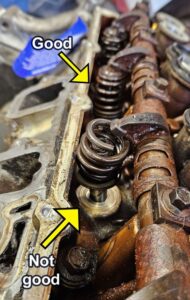
2:Difficulty Starting the Engine: Causes and Solutions
Passing difficulty starting the machine can be one of the most frustrating issues for any auto proprietor. When you turn the key and hear nothing but a faint click or a sluggish coil, it’s a sign that commodity is amiss under the hood. This problem can stem from colorful factors, including the battery, starter, or indeed the ignition system. Understanding the root cause is the first step toward getting your vehicle back on the road snappily and efficiently How to fix Quickly car Ignition coil 6 problems.
One common malefactor behind difficulty starting the machine is a defective ignition coil. The ignition coil is responsible for converting the battery’s low voltage into the high voltage demanded to produce a spark in the spark plugs. However, the machine may struggle to start or fail entirely, If it malfunctions. For case, how to fix snappily auto ignition coil 6 problems like coil cracks, worn- out sequestration, or overheating can involve simple troubleshooting way. examining the coil for visible damage and testing it with a multimeter can help determine if it’s the source of the issue.
Another reason for difficulty starting the machine could be a weak battery. Over time, batteries lose their charge, especially in extreme rainfall conditions. A quick check with a voltmeter can reveal if the battery is delivering sufficient power. However, recharging or replacing it might resolve the problem, If not. also, eroded battery outstations can disrupt the inflow of electricity, so drawing them with a line encounter is a practical fix How to fix Quickly car Ignition coil 6 problems.
The starter motor is another element to consider when facing difficulty starting the machine. A worn-out starter may produce a grinding noise or fail to engage the machine duly. In similar cases, professional backing might be needed, though checking the connections for tautness can occasionally save the day. also, How to fix Quickly car Ignition coil 6 problems— similar as electrical films or humidity doorway — can lap with starter issues, so a thorough examination is crucial.
3: Check Engine Light On: Causes and Solutions
Seeing the Check Engine Light On can be frustrating, especially if you’re unsure what triggered it. This warning light is your car’s way of saying something’s wrong—sometimes minor, sometimes serious. Understanding the causes and knowing what steps to take can save you time and costly repairs.
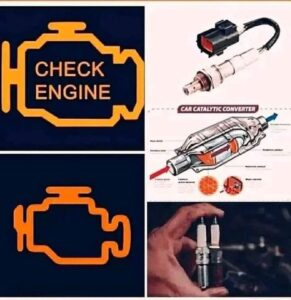
Common reasons for the Check Engine Light On include a loose gas cap, faulty oxygen sensors, worn-out spark plugs, or problems with the ignition coil. One of the often-overlooked issues is related to ignition coils, which play a crucial role in powering your engine efficiently.
If you’re wondering How to fix Quickly car Ignition coil 6 problems, start by using an OBD-II scanner to read the trouble codes. This will point you to the exact cylinder or coil causing trouble. In many cases, simply replacing the faulty coil will turn the check engine light off and restore performance.
Other solutions for the Check Engine Light On involve checking your vehicle’s air filter, catalytic converter, and mass airflow sensor. These components can all affect fuel economy and engine performance. Addressing these issues early helps prevent further engine damage.
For those researching How to fix Quickly car Ignition coil 6 problems, it’s important to check for visible signs of damage, such as cracks or corrosion on the coil or wiring harness. Testing with a multimeter is also an easy DIY step.
4:Causes of Ignition Coil Overheating
1. Excessive Electrical Load: When the ignition coil is subjected to a higher-than-normal electrical demand, it generates excessive heat. This can occur due to faulty spark plugs or worn-out wiring, which forces the coil to work harder than designed.
2. Poor Ventilation: Ignition coils are typically located in the engine compartment, where heat from the engine can exacerbate overheating. Inadequate airflow or improper placement can trap heat, causing the coil to overheat.
3. Aging Components: Over time, the insulation within the ignition coil can degrade, leading to internal short circuits. This increases resistance and heat buildup, compromising performance.
Solutions to Prevent and Address Overheating
To tackle ignition coil overheating, proactive maintenance and timely repairs are essential. For those wondering How to fix Quickly car Ignition coil 6 problems, start by inspecting spark plugs for wear or carbon buildup. Replacing faulty plugs reduces strain on the coil. Next, ensure proper grounding by checking wiring and connections for corrosion or looseness.
Improving ventilation around the coil is another effective solution. Relocating the coil to a cooler area or adding heat shields can mitigate heat exposure. Regularly cleaning the engine bay to remove debris also promotes airflow. Additionally, using high-quality ignition coils designed for your vehicle’s specifications can prevent premature failure How to fix Quickly car Ignition coil 6 problems.
For issues stemming from a defective ECM, consult a professional mechanic to recalibrate or replace the module. Knowing How to fix Quickly car Ignition coil 6 problems involves addressing these root causes promptly to avoid further damage.
5:Causes of Moisture or Oil Contamination
Moisture contamination often occurs due to environmental factors such as humidity, rain, or improper storage conditions. In vehicles or engines, condensation from temperature fluctuations can introduce water into oil systems. Similarly, faulty seals, worn gaskets, or damaged components allow moisture to seep into areas where it doesn’t belong. Oil contamination, on the other hand, may stem from internal leaks, overfilling, or the breakdown of lubricants over time. For instance, in automotive engines, a failing head gasket can cause oil to mix with coolant, leading to a milky residue that hampers performance How to fix Quickly car Ignition coil 6 problems.
External factors like poor maintenance practices or using substandard fluids also contribute to these issues. In industrial settings, inadequate filtration systems or exposure to harsh conditions can exacerbate contamination, affecting everything from hydraulic systems to car ignition coils. Speaking of which, knowing How to fix Quickly car Ignition coil 6 problems can save you from misfires caused by oil or moisture seeping into the electrical components.
Solutions to Moisture or Oil Contamination
Preventing and resolving contamination starts with regular maintenance. Use high-quality seals and gaskets to block moisture entry, and store equipment in dry, controlled environments. For oil systems, install effective filtration units to remove impurities and monitor fluid levels to avoid overfilling. In vehicles, replacing damaged components promptly—like those affecting ignition—can prevent further issues. Curious about How to fix Quickly car Ignition coil 6 problems? Cleaning or replacing a contaminated coil can restore smooth engine performance.
Additionally, using moisture-absorbing additives or desiccants in oil reservoirs can mitigate water buildup. Routine inspections and fluid analysis help detect contamination early, allowing for timely intervention. For quick fixes, such as How to fix Quickly car Ignition coil 6 problems, ensure proper drying and sealing of affected parts to avoid recurring failures.
Solutions to Coil Pack Failure
Addressing coil pack failure in coil-on-plug systems starts with proper diagnosis. Using an OBD-II scanner can pinpoint misfire codes, guiding mechanics to the affected cylinder. Visual inspection for cracks, corrosion, or oil residue is equally crucial. Once identified, replacing the faulty coil is often the most effective solution. Opting for high-quality OEM or aftermarket coils ensures durability and compatibility.
Preventive maintenance is key to avoiding recurrence. Regularly replacing spark plugs reduces strain on the coils, while checking and sealing engine components prevents moisture or oil leaks. For those wondering How to fix Quickly car Ignition coil 6 problems, swapping out a failing coil with a spare and testing the engine can offer a rapid fix in emergencies. However, a thorough inspection should follow.
6:Coil Pack Failure in Coil-on-Plug Systems
Modern vehicles increasingly rely on coil-on-plug (COP) ignition systems, where individual coil packs sit directly atop each spark plug. While this design enhances efficiency and performance, coil pack failure in coil-on-plug systems remains a common issue that can disrupt engine operation. Understanding the causes and solutions to this problem is essential for maintaining a smooth-running vehicle.
Causes of Coil Pack Failure
One primary cause of coil pack failure in coil-on-plug systems is excessive heat exposure. Positioned near the engine, these coils endure high temperatures, which, over time, degrade the internal insulation and wiring. This heat-related wear can lead to misfires or complete ignition failure. Another frequent culprit is moisture infiltration. Faulty seals or cracked coil housings allow water to seep in, short-circuiting the electrical components and triggering failure.
Electrical overload also plays a significant role. Worn spark plugs or faulty wiring can force the coil pack to work harder, generating excess voltage that burns out the unit. Additionally, age and mileage contribute to natural wear, as the materials within the coil degrade after repeated use. Contaminants like oil or dirt from leaking valve covers can further accelerate this deterioration by compromising the coil’s functionality.
Solutions to Coil Pack Failure
Addressing coil pack failure in coil-on-plug systems starts with proper diagnosis. Using an OBD-II scanner can pinpoint misfire codes, guiding mechanics to the affected cylinder. Visual inspection for cracks, corrosion, or oil residue is equally crucial. Once identified, replacing the faulty coil is often the most effective solution. Opting for high-quality OEM or aftermarket coils ensures durability and compatibility.
Preventive maintenance is key to avoiding recurrence. Regularly replacing spark plugs reduces strain on the coils, while checking and sealing engine components prevents moisture or oil leaks. For those wondering how to fix quickly car ignition coil 6 problems, swapping out a failing coil with a spare and testing the engine can offer a rapid fix in emergencies. However, a thorough inspection should follow.
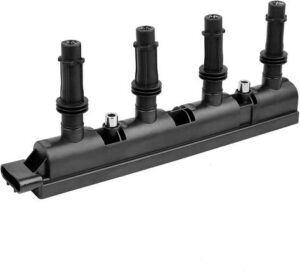
FAQs: How to Fix Quickly Car Ignition Coil 6 Problems
Q1: What is ignition coil 6, and why is it important?
A: Ignition coil 6 refers to the coil assigned to cylinder 6 in your engine. Its job is to convert low battery voltage into the high voltage needed to ignite the air-fuel mixture. A malfunctioning coil can lead to misfires, poor performance, and even engine damage.
Q2: What are common signs of a bad ignition coil 6?
A: Symptoms include rough idling, reduced power, poor fuel economy, engine misfire, hesitation during acceleration, or the check engine light (often with code P0306).
Q3: Can I drive with a faulty ignition coil 6?
A: It’s not recommended. While the car may still run, continued driving with a bad coil can cause further engine damage, catalytic converter failure, or increase fuel consumption.
Q4: How can I confirm ignition coil 6 is the problem?
A: Use an OBD-II scanner to check for diagnostic trouble codes (like P0306). You can also test the coil with a multimeter or swap it with another coil to see if the problem moves to another cylinder.
Q5: How do I replace ignition coil 6 myself?
1. Disconnect the car battery.
2. Locate coil 6 (check your engine’s cylinder order).
3. Remove the coil connector and mounting bolt.
4. Pull out the old coil and insert the new one.
5. Reconnect everything and test the vehicle.
Conclusion
Understanding how to fix quickly car ignition coil 6 problems is crucial for any driver aiming to maintain engine performance, fuel efficiency, and vehicle reliability. Throughout this guide, we’ve explored the common causes behind ignition coil failures—such as overheating, moisture contamination, and electrical overload—and provided step-by-step solutions for diagnosis and repair. From using an OBD-II scanner to pinpoint misfire codes, to visually inspecting and testing coils with a multimeter, the process is both accessible and effective for most car owners.
Addressing ignition coil 6 issues promptly can prevent more serious engine damage and reduce costly repair bills. Simple actions like replacing worn spark plugs, securing coil connections, and cleaning contaminated parts can make a significant difference. Preventative maintenance is equally important: regularly checking your ignition system, ensuring proper grounding, and protecting components from heat and moisture all contribute to long-term vehicle health.
Whether you’re handling a misfire, a check engine light, or trouble starting your car, knowing how to fix quickly car ignition coil 6 problems empowers you to act with confidence. With a proactive mindset and a few essential tools, even complex ignition issues become manageable. Keep your engine running smoothly—start with your coils, and the rest will follow.
1 thought on “How to fix Quickly car Ignition coil 6 problems”